Debunking Myths: Common Misconceptions About Clean Beauty
Understanding Clean Beauty
Clean beauty has become a buzzword in the cosmetic industry, but what does it truly mean? Many consumers are confused by the term, leading to widespread misconceptions. Clean beauty generally refers to products that are created without harmful ingredients. However, the lack of regulation in the industry has led to varying definitions and standards.
It's essential to navigate this trend with a critical eye. Brands often label their products as "clean" for marketing purposes, which can be misleading. Understanding the ingredients and their effects can help consumers make informed decisions.
Myth 1: Clean Beauty Means All-Natural
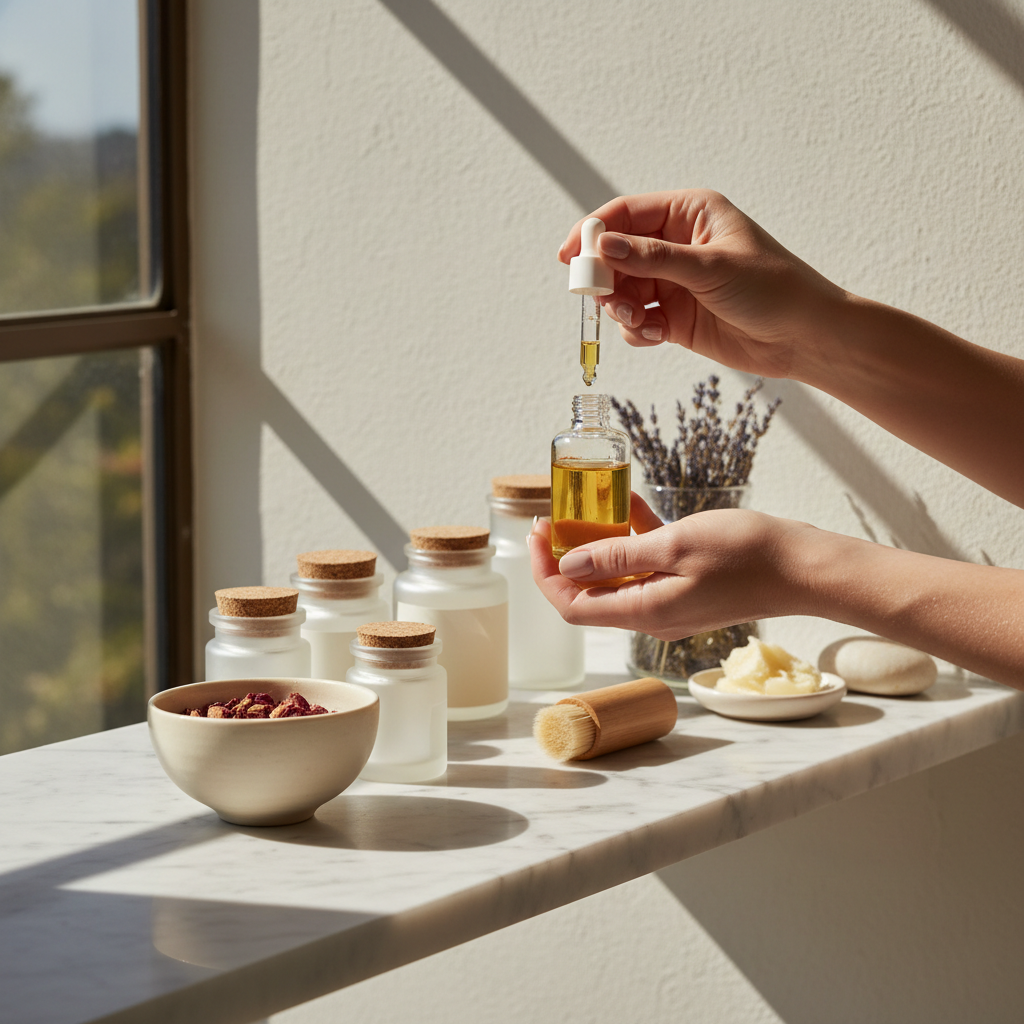
One of the most common myths is that clean beauty means a product is completely natural. While many clean beauty products do prioritize natural ingredients, not all natural ingredients are safe or effective. Conversely, some synthetic ingredients can be beneficial and safe for your skin.
In fact, the term "natural" is not regulated, allowing brands to use it freely, regardless of the actual composition of their products. It's crucial to look beyond the label and research the specific ingredients used.
Myth 2: Clean Beauty Products Are Less Effective
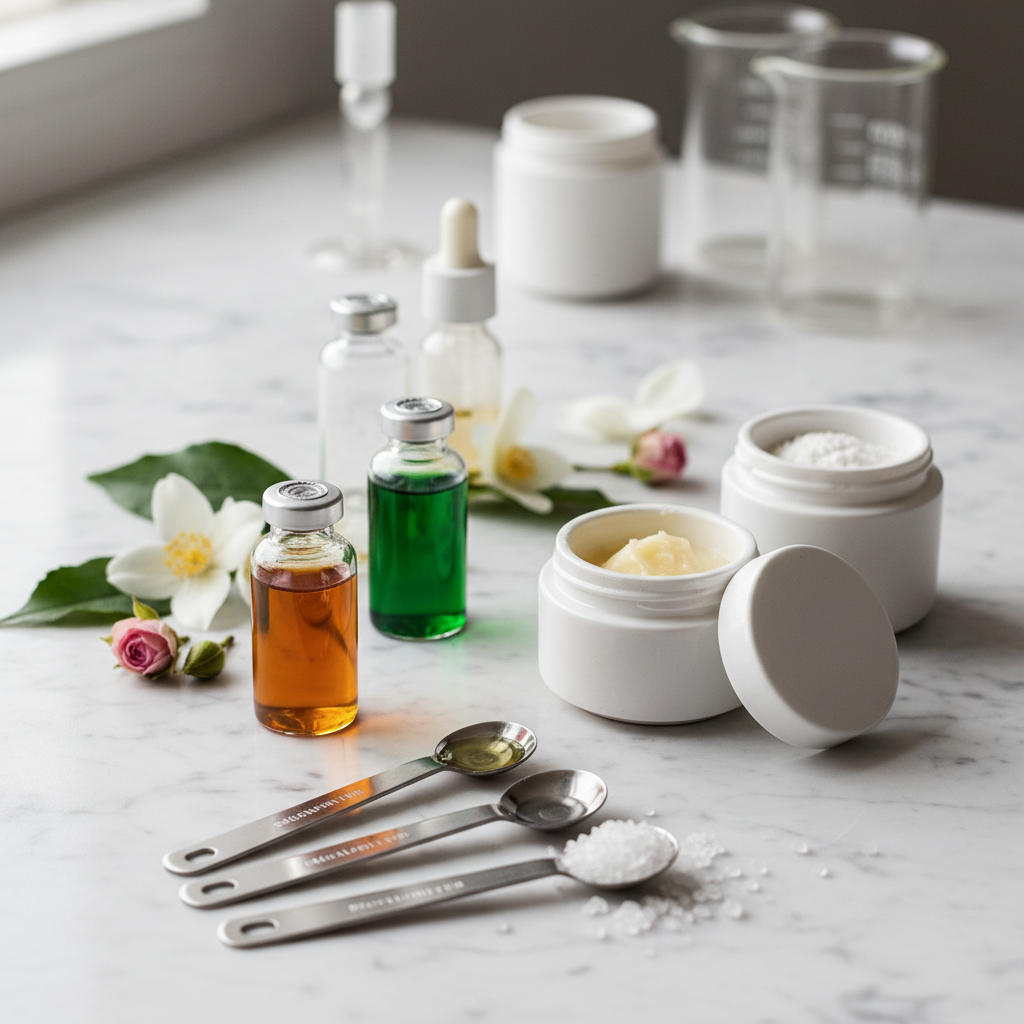
Another misconception is that clean beauty products sacrifice efficacy for safety. However, many clean beauty brands invest heavily in research and development to create high-performance products without harmful ingredients. The key is to find brands that prioritize both the safety and effectiveness of their formulations.
Consumers should pay attention to product reviews and ingredient lists to ensure they are purchasing items that meet their needs. Clean beauty does not mean compromising on quality.
Myth 3: Clean Beauty is Always Cruelty-Free
While clean beauty brands often emphasize ethical practices, not all of them are cruelty-free. Cruelty-free indicates that a product and its ingredients have not been tested on animals. Consumers should look for specific certifications to ensure a product meets their ethical standards.
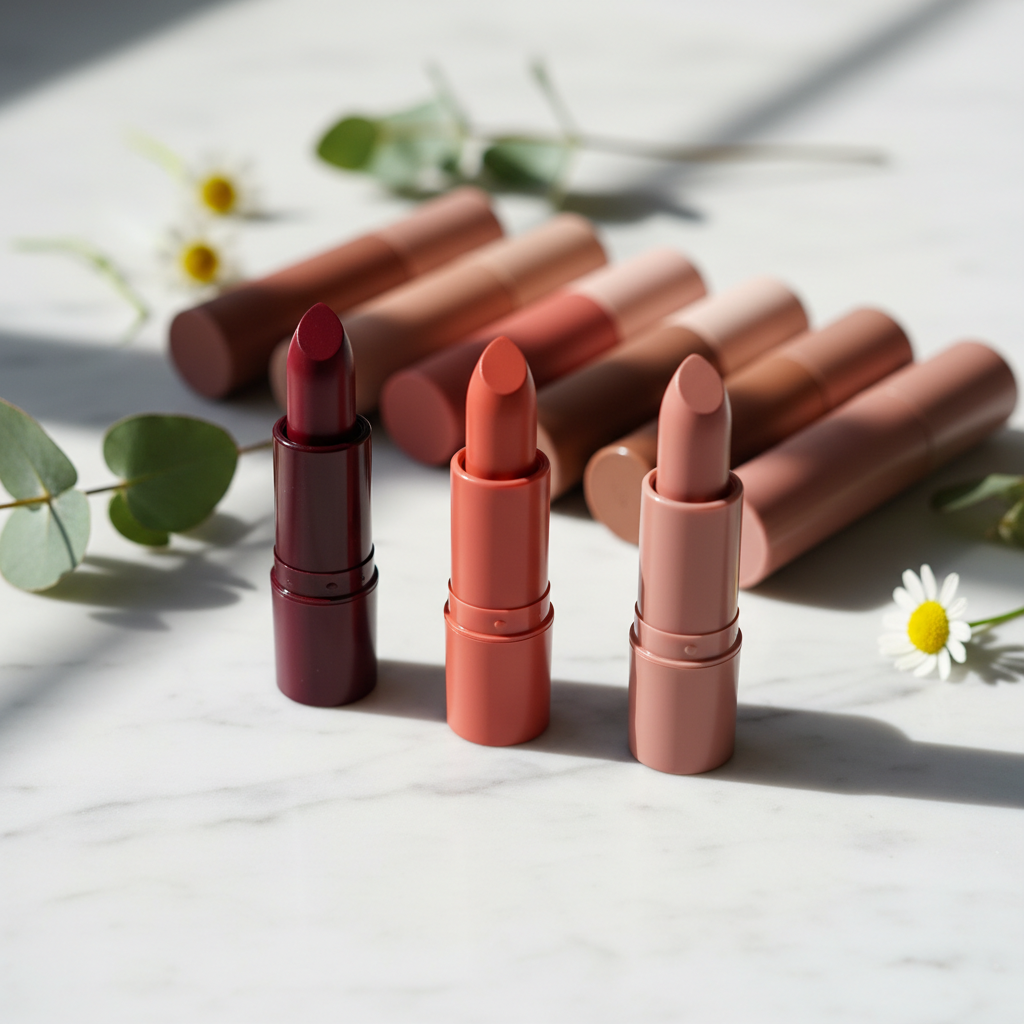
Certifications such as Leaping Bunny and PETA's Beauty Without Bunnies can guide consumers toward truly cruelty-free products. Transparency in sourcing and manufacturing is key.
Myth 4: All Toxins Are Harmful
The term "toxin" is frequently used in the clean beauty industry, yet not all substances labeled as toxins are harmful in the quantities used in cosmetics. The dose makes the poison, and many substances are safe in small amounts.
Consumers should educate themselves on which ingredients are genuinely hazardous and which are often misunderstood. Reliable resources and expert opinions can be valuable tools.
Conclusion: Navigating the Clean Beauty World
Ultimately, understanding clean beauty requires a balanced approach. By debunking these myths, consumers can make informed choices that align with their personal values and needs. Knowledge is power, and in the world of clean beauty, it leads to safer and more satisfying purchases.