Expert Tips: Transitioning to a Non Toxic Lifestyle with Ease
Understanding Non-Toxic Living
The journey to a non-toxic lifestyle is an empowering decision that can positively impact your health and the environment. A non-toxic lifestyle focuses on reducing exposure to harmful chemicals found in everyday products, from cleaning supplies to personal care items. Making this transition may seem daunting, but with the right approach, you can achieve it seamlessly.

Start with Your Home Environment
Identify Common Toxins
Begin by identifying common toxins in your home. Many household cleaners contain harsh chemicals that can irritate the skin and respiratory system. Look for labels that mention ammonia, bleach, or phthalates, and consider replacing them with safer alternatives.
Switch to Natural Cleaning Products
Consider switching to natural cleaning products or making your own using ingredients like vinegar, baking soda, and essential oils. These alternatives are not only effective but also safe for you and your family.

Revamp Your Personal Care Routine
Read the Labels
Personal care products often contain synthetic fragrances and preservatives. Reading labels is crucial. Look for products labeled as "fragrance-free" or "paraben-free." Understanding ingredient lists can help you avoid harmful substances.
Choose Natural Brands
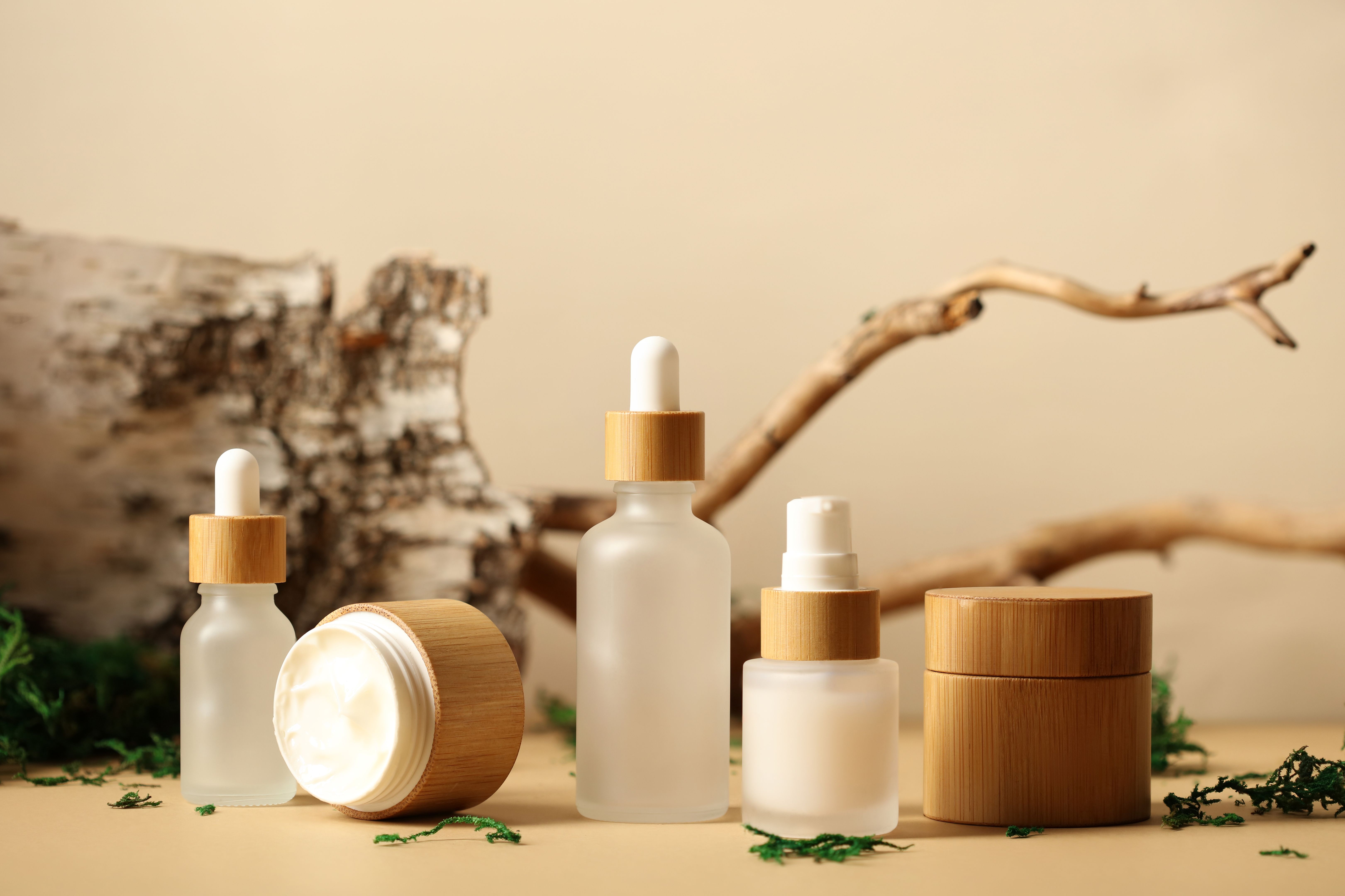
Choose brands that prioritize natural ingredients. Many companies now offer skincare and cosmetic products made from organic and plant-based materials. These options are not only better for your skin but also the planet.
Adopt a Non-Toxic Diet
Focus on Whole Foods
Incorporate more whole foods into your diet. Fresh fruits, vegetables, and whole grains are less likely to contain harmful additives. Eating a diet rich in these foods supports overall health and reduces exposure to toxins.
Be Mindful of Food Packaging
Be cautious of food packaging. Avoid plastics labeled with recycling codes 3, 6, and 7, which may contain harmful chemicals like BPA. Opt for glass or stainless steel containers to store your food safely.
Gradual Changes Lead to Lasting Results
Transitioning to a non-toxic lifestyle doesn't have to happen overnight. Gradual changes are more sustainable and less overwhelming. Start by replacing one item at a time and celebrate each small victory along the way.
Remember, every step towards a non-toxic lifestyle is a step towards better health and a cleaner environment. By making conscious choices, you can create a safer and more sustainable world for yourself and future generations.