
Organic Herb Gardening: Nurturing Nature and Mind
The Joy of Organic Herb Gardening
Embracing organic herb gardening is more than just a hobby; it's a journey into a world where nature and mindfulness coexist. Cultivating your own herbs organically allows you to engage with the environment in a harmonious way, promoting biodiversity and sustainability.
By avoiding synthetic fertilizers and pesticides, you ensure that the herbs you grow are free from harmful chemicals, making them safer for consumption and better for the environment. This method encourages natural growth processes, resulting in herbs that are not only flavorful but also nourishing.
Getting Started with Organic Herb Gardening
Choosing the Right Herbs
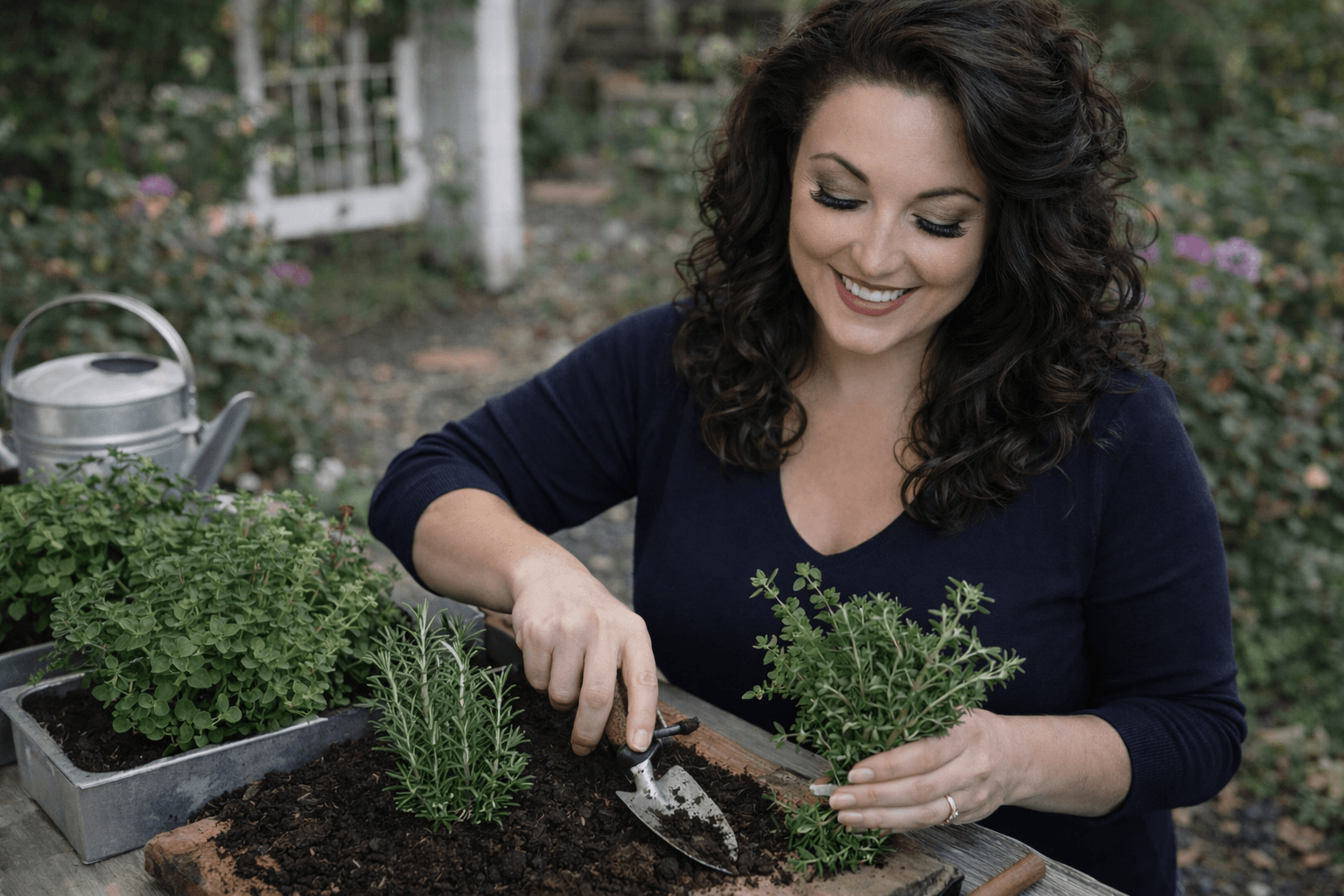
Selecting the right herbs for your garden is an essential first step. Consider herbs that are well-suited to your climate and soil conditions. Popular choices include basil, rosemary, mint, and thyme, each offering unique flavors and uses.
Start small by planting a few varieties that you frequently use in your kitchen. This approach allows you to become familiar with the growth patterns and care requirements of different herbs without becoming overwhelmed.
Preparing the Soil
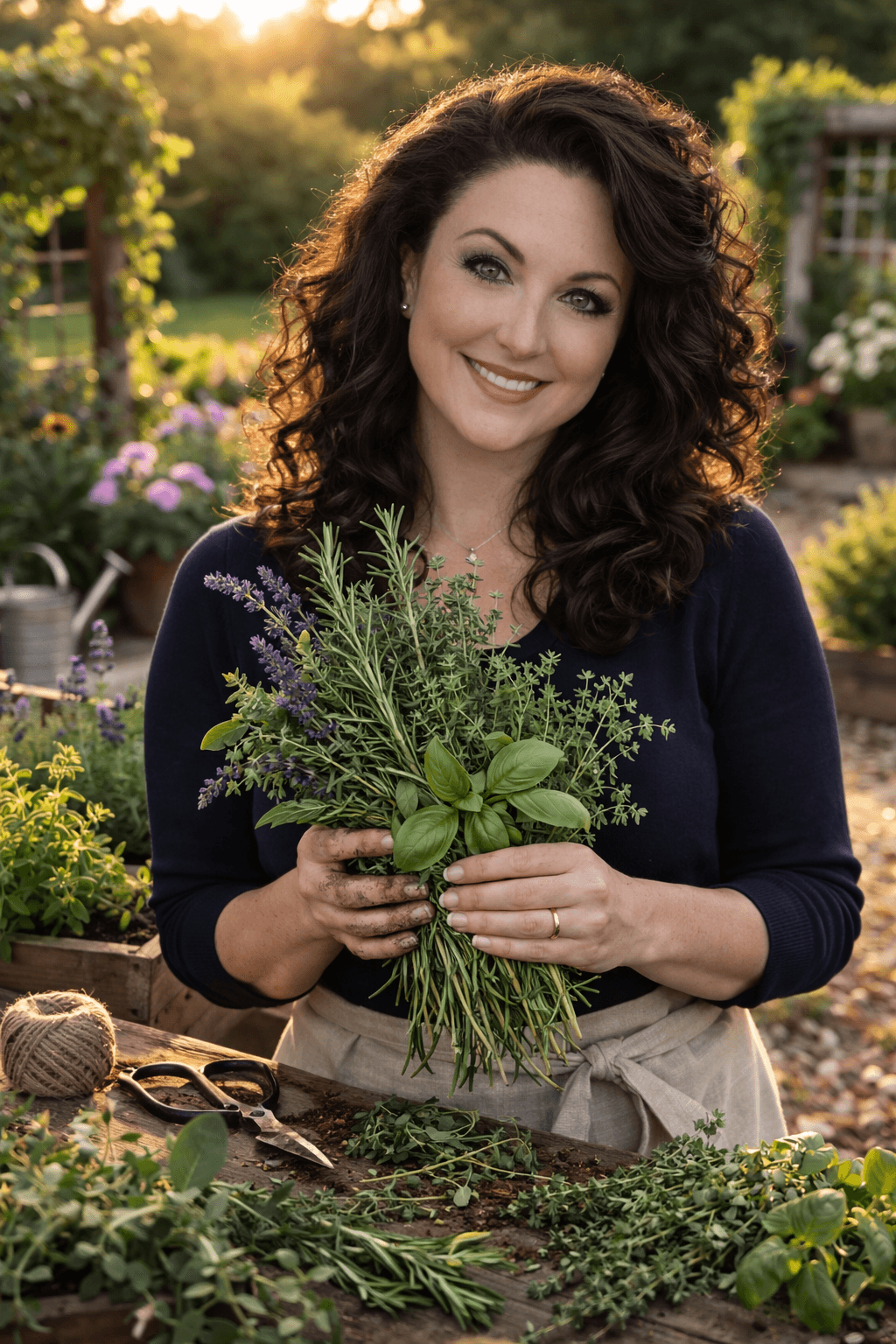
The foundation of any successful organic garden is healthy soil. Enrich your soil with organic compost or well-rotted manure to improve its structure and fertility. This not only provides essential nutrients to your herbs but also enhances water retention and drainage.
Testing your soil's pH level is also beneficial. Most herbs thrive in slightly acidic to neutral soil. Adjusting the pH with natural amendments like lime or sulfur can help create the perfect environment for your plants.
Nurturing Your Herb Garden
Watering and Mulching
Proper watering is crucial for the health of your herbs. While herbs generally prefer well-drained soil, they also need consistent moisture. Water your garden early in the morning to reduce evaporation and fungal diseases.
Mulching is another effective practice. Apply a layer of organic mulch around your plants to retain moisture, suppress weeds, and regulate soil temperature. This simple step can significantly enhance the growth and vitality of your herbs.

Companion Planting
Companion planting is a strategic way to maximize the benefits of your herb garden. Certain plants, when grown together, can enhance each other's growth or deter pests. For instance, planting basil near tomatoes can improve flavor and deter insects.
Experimenting with different combinations of herbs and other garden plants can lead to a thriving ecosystem that supports all your gardening efforts. It's a natural way to boost productivity without relying on chemicals.
The Mindful Benefits of Herb Gardening
Beyond the practical benefits, organic herb gardening offers a serene escape from everyday stress. Tending to your garden provides a meditative experience, allowing you to connect with nature and find peace in the simple act of nurturing life.
Watching your herbs flourish under your care can be immensely rewarding, fostering a sense of accomplishment and well-being. It's a practice that cultivates mindfulness, encouraging you to slow down and appreciate the beauty around you.

In conclusion, organic herb gardening is a fulfilling endeavor that nurtures both nature and the mind. By choosing to grow herbs organically, you contribute to a healthier planet while enjoying the freshest, most flavorful herbs. Whether you're a seasoned gardener or a curious beginner, this journey offers endless opportunities for growth and discovery.